Tag: Infrastructure

  • The Grid Can’t Wait

    The Grid Can’t Wait

    The interconnection queue in PJM’s territory now holds more proposed generation capacity than the entire installed fleet of Germany. Almost none of it will be built this decade.

    That sentence is easy to write and hard to absorb. PJM coordinates electricity across thirteen states and the District of Columbia, a footprint that includes the densest concentration of data centres on earth. Its queue is not a waiting list in any ordinary sense. It is a filing cabinet of intentions, most of which will be abandoned before anyone pours concrete.

    What the queue actually measures

    A queue position is not a power plant. It is a request for a study — a formal ask that the grid operator model what happens to voltage, thermal limits and system stability if a given generator connects at a given point on the network. The study takes years. Most requests are withdrawn before it finishes, which means the studies must be redone, which means the next round takes longer than the last.

    Engineers call this the restudy problem. Everyone in the industry has known about it since at least 2019. The Federal Energy Regulatory Commission ordered reforms in 2023. The queues have grown every year since.

    We are not short of projects. We are short of the ability to say yes to them in a reasonable amount of time.

    The gap between requests and completions is the number that matters, and it has been widening every year since 2018. In 2016 a typical interconnection study in PJM took roughly eighteen months. The current average is closer to four years, and the projects entering the queue today are larger and more complex than the ones that entered it then.

    The county-level view

    Loudoun County, Virginia, is the clearest case. Eleven data centres there are waiting on a single substation upgrade that was first proposed in 2019. The upgrade is now scheduled for 2029. In the intervening decade the county has approved construction permits for facilities whose combined draw would exceed the peak demand of the city of Phoenix.

    None of this is secret. The permits are public, the queue is public, the substation schedule is public. What is missing is any single body whose job it is to notice that the three documents contradict each other.

    Three constraints, in order

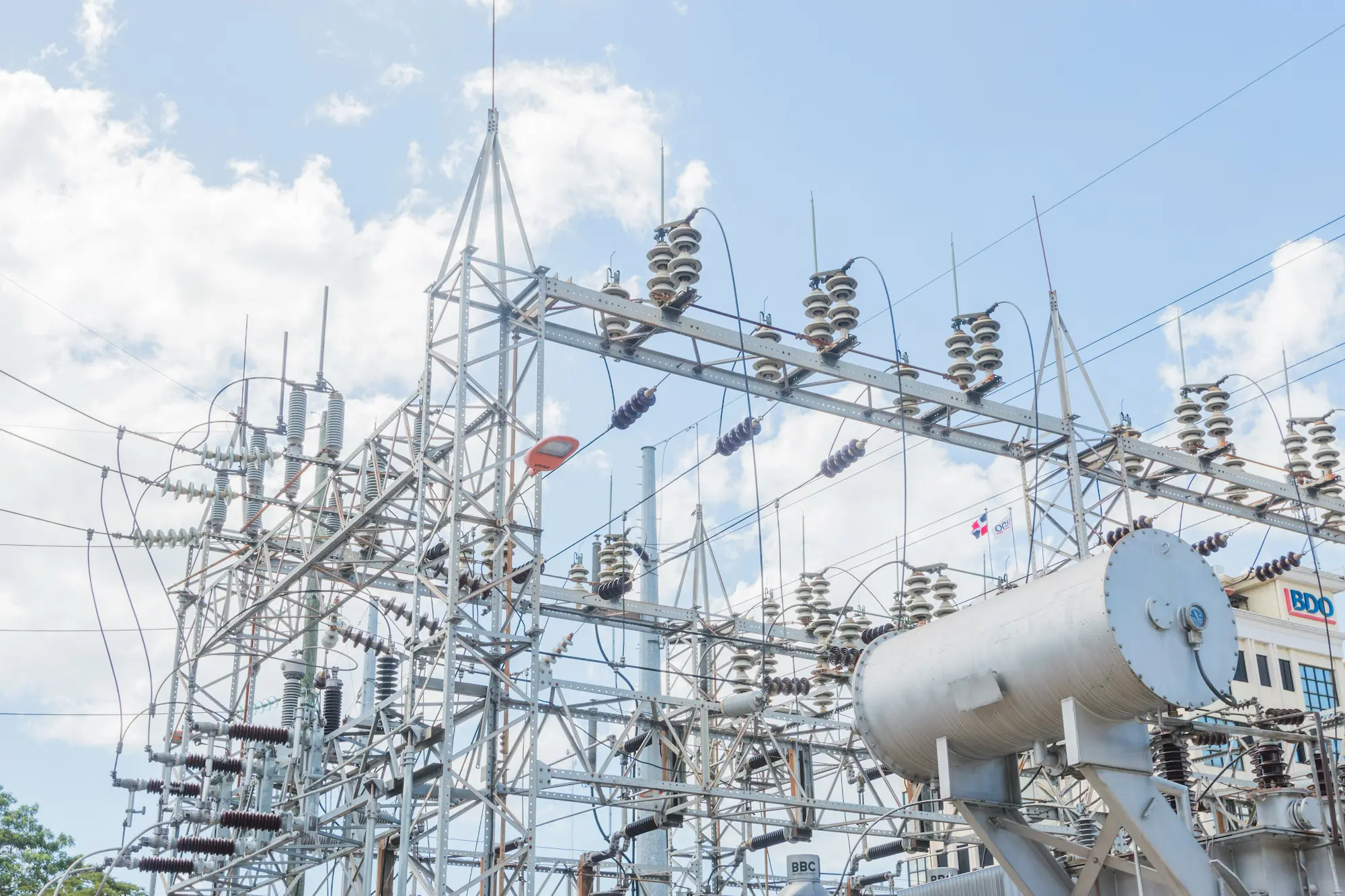
    Transformers first. A large power transformer is a bespoke object — designed for a specific voltage, a specific site, a specific set of fault conditions — with a lead time that has stretched from eighteen months to four years. There are four factories in North America still building them at scale.

    Second, transmission right-of-way, which is a political problem wearing an engineering costume. A new interstate line crosses counties that receive none of the power and all of the towers. The approval process is designed to give those counties a voice, and it does.

    Third, and least discussed, the people. Commissioning a substation requires relay technicians and protection engineers, and the median age in both trades is above fifty. Utilities that ordered equipment in 2022 are now discovering they cannot staff the installation.

    None of these is solved by capital. All of them are solved by time, and time is the one input the AI buildout does not have.
  • The Last Mile

    The Last Mile

    The Broadband Equity, Access and Deployment programme was the largest single investment in American internet infrastructure ever authorised: $42.45 billion, passed in November 2021, aimed squarely at the households that private capital had decided were not worth the trench.

    Four years on, the money has moved. The fibre has not.

    Three counties, one promise, twice

    Carter County sits in the north-east corner of Tennessee, in the folds of the Appalachians, and it has been promised universal broadband twice. The first promise came in 2015, under a state programme that paid incumbent carriers to extend existing lines. The carriers took the money and extended the lines to the edge of the profitable territory, which is where the lines already were.

    The second promise is BEAD. It is structurally different — the money flows through the state, the state runs a competitive subgrant process, and the awards carry build-out obligations with clawback provisions. On paper it fixes the failure mode of the first programme.

    Every one of these programmes is designed by people who have never had to hang a strand of fibre across a creek.

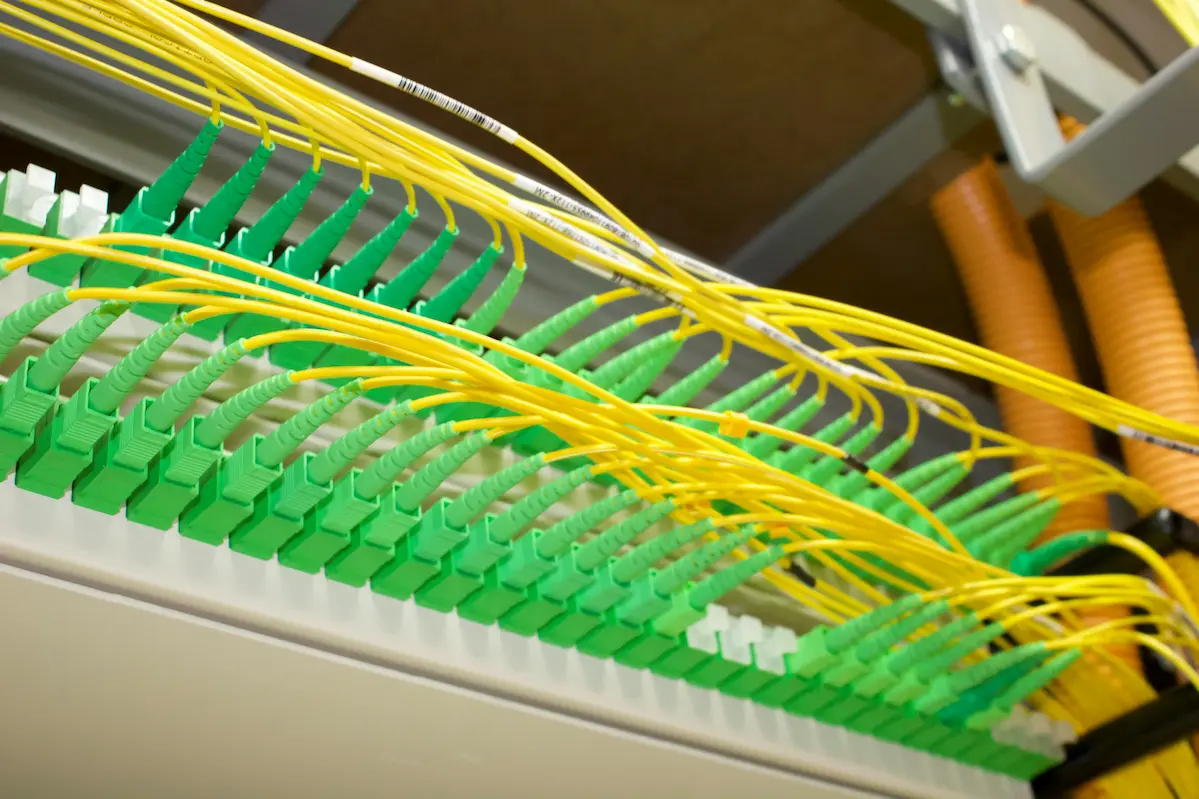
    In practice the subgrant process has taken longer than the construction it authorises. Tennessee’s initial proposal went to the National Telecommunications and Information Administration in 2023. Final approval came in 2025. Ground was broken on the first Carter County segment this spring.

    Why the delay is not incompetence

    It is tempting to read the timeline as bureaucratic failure, and some of it is. But the larger share is a design choice that nobody made explicitly. BEAD requires states to challenge and verify the federal broadband map, location by location, because the map was wrong — systematically, in the direction that favoured incumbents. Fixing it was necessary. It also consumed two years.

    The result is a programme that will probably work and will certainly arrive late. The households in Carter County that were promised service in 2015 will receive it, if the current schedule holds, in 2028.

    What the next programme should copy

    Two things, according to the state broadband directors who have now run this process twice. Verify the map before authorising the money, not after. And write the build-out obligations as milestones with dates, not as outcomes with deadlines — because a deadline that arrives when the fibre is half-strung produces a clawback fight, and a clawback fight produces no fibre at all.

  • The permitting bill is an infrastructure bill in disguise

    The permitting reform package moving through committee is described by its sponsors as a process bill: shorter environmental reviews, tighter judicial deadlines, a consolidated lead agency. Nothing in it appropriates money, which is the entire basis of its bipartisan support.

    It is an infrastructure bill. The reason nobody calls it one is that calling it one means paying for it.

    Consider what the bill actually requires. Shorter reviews demand more reviewers — the delay in a typical transmission review is not deliberation but queueing, and a queue clears faster only when it has more servers. Consolidated lead agency authority requires the lead agency to have staff competent in the disciplines it has just absorbed. Tighter judicial deadlines require courts that can meet them.

    None of these capacities exists at current staffing. The Bureau of Land Management’s renewable energy programme has lost roughly a fifth of its permitting staff since 2021. The Council on Environmental Quality has fewer analysts than it did in 2010.

    The honest version of this bill would pair every process change with the appropriation that makes it achievable. That bill would cost perhaps $2 billion a year, a trivial sum against the capital it would unlock, and it would fail, because the coalition holding the current version together is held together precisely by the absence of a number.

    So the bill will pass, and the deadlines will bind agencies that cannot meet them, and in three years there will be hearings about why permitting reform did not reduce permitting time.