The interconnection queue in PJM’s territory now holds more proposed generation capacity than the entire installed fleet of Germany. Almost none of it will be built this decade.
That sentence is easy to write and hard to absorb. PJM coordinates electricity across thirteen states and the District of Columbia, a footprint that includes the densest concentration of data centres on earth. Its queue is not a waiting list in any ordinary sense. It is a filing cabinet of intentions, most of which will be abandoned before anyone pours concrete.
What the queue actually measures
A queue position is not a power plant. It is a request for a study — a formal ask that the grid operator model what happens to voltage, thermal limits and system stability if a given generator connects at a given point on the network. The study takes years. Most requests are withdrawn before it finishes, which means the studies must be redone, which means the next round takes longer than the last.
Engineers call this the restudy problem. Everyone in the industry has known about it since at least 2019. The Federal Energy Regulatory Commission ordered reforms in 2023. The queues have grown every year since.
We are not short of projects. We are short of the ability to say yes to them in a reasonable amount of time.
The gap between requests and completions is the number that matters, and it has been widening every year since 2018. In 2016 a typical interconnection study in PJM took roughly eighteen months. The current average is closer to four years, and the projects entering the queue today are larger and more complex than the ones that entered it then.
The county-level view
Loudoun County, Virginia, is the clearest case. Eleven data centres there are waiting on a single substation upgrade that was first proposed in 2019. The upgrade is now scheduled for 2029. In the intervening decade the county has approved construction permits for facilities whose combined draw would exceed the peak demand of the city of Phoenix.
None of this is secret. The permits are public, the queue is public, the substation schedule is public. What is missing is any single body whose job it is to notice that the three documents contradict each other.
Three constraints, in order
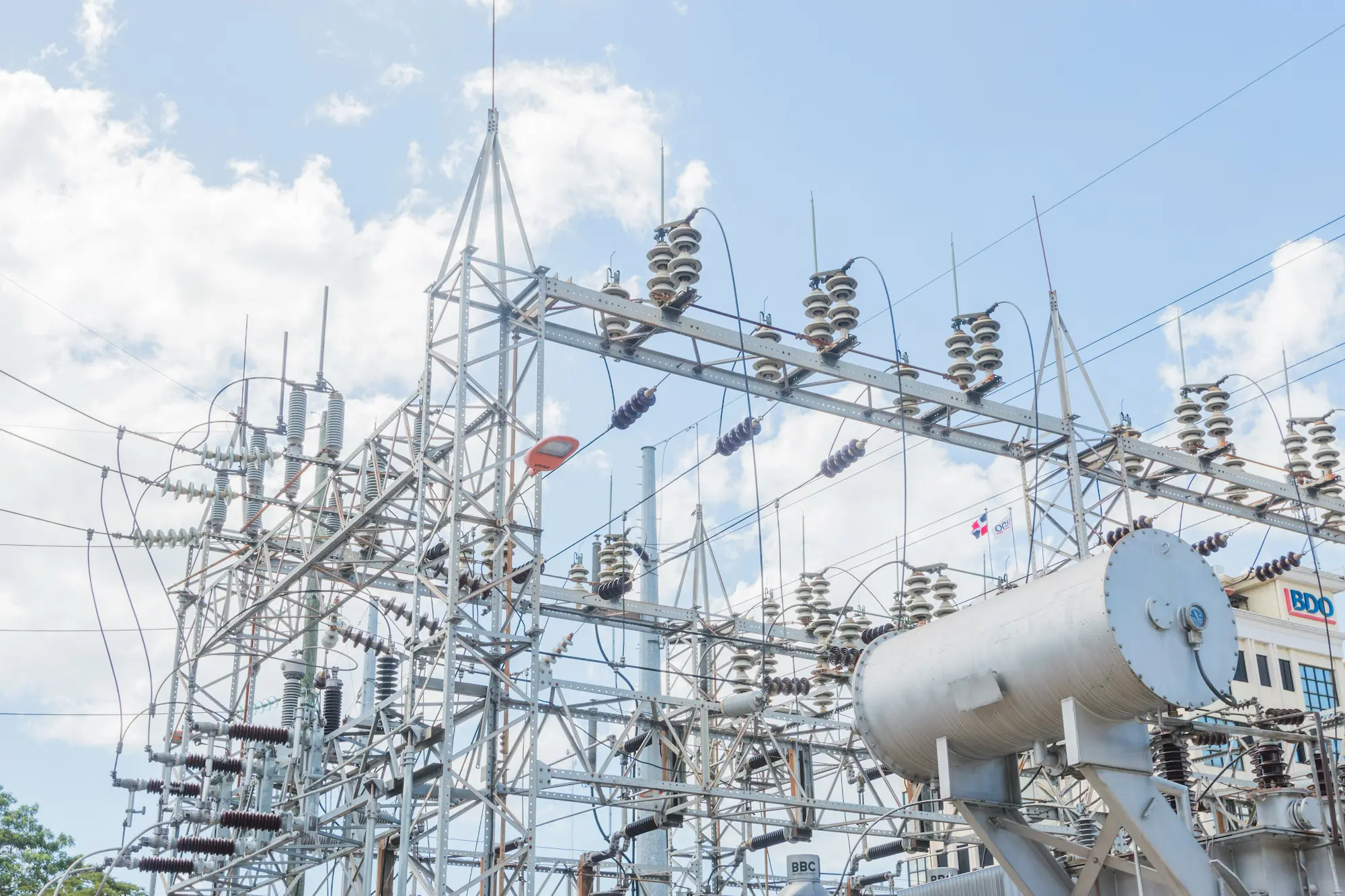
Transformers first. A large power transformer is a bespoke object — designed for a specific voltage, a specific site, a specific set of fault conditions — with a lead time that has stretched from eighteen months to four years. There are four factories in North America still building them at scale.
Second, transmission right-of-way, which is a political problem wearing an engineering costume. A new interstate line crosses counties that receive none of the power and all of the towers. The approval process is designed to give those counties a voice, and it does.
Third, and least discussed, the people. Commissioning a substation requires relay technicians and protection engineers, and the median age in both trades is above fifty. Utilities that ordered equipment in 2022 are now discovering they cannot staff the installation.
None of these is solved by capital. All of them are solved by time, and time is the one input the AI buildout does not have.