Author: Elliot Shaw

  • Federal AI preemption bill stalls as nineteen states file suit

    Federal AI preemption bill stalls as nineteen states file suit

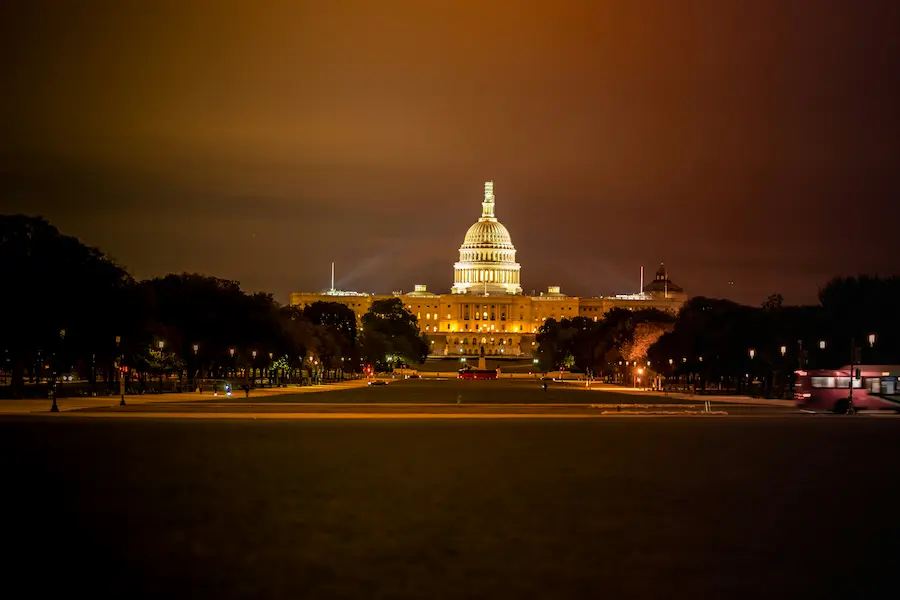
    The Uniform Artificial Intelligence Standards Act was written to do one thing: replace the growing patchwork of state AI statutes with a single federal floor, and void everything below it. As drafted, it would have preempted eleven state laws outright and left another nine in partial force.

    Two Republican votes moved this week. Senator Kavanagh of Arizona, who had been a co-sponsor, withdrew after her state’s attorney general joined the multistate suit. Senator Reyes of Nevada followed within a day. The bill now sits two votes short of cloture with no obvious path to finding them before the recess.

    The suit itself is the more interesting document. Nineteen state attorneys general — fourteen Democratic, five Republican — argue that the preemption clause reaches beyond the Commerce Clause because it voids state consumer-protection law in transactions that never cross state lines. That is a narrow argument, and narrow arguments are the ones that survive appellate review.

    Industry groups had treated the bill as close to inevitable as recently as March. The Chamber of Progress spent an estimated $14 million on the campaign. What changed was not lobbying pressure but the arithmetic of the map: as more states passed their own statutes, more state officials acquired something concrete to lose.

    The bill’s sponsors say they will reintroduce a narrowed version in the autumn, limited to model training disclosures. Whether the coalition that killed the broad version cares about the narrow one is the question nobody in the caucus wants to answer on the record.
  • Congress cannot regulate what it refuses to define

    Every artificial intelligence bill introduced this session leans on a definition broad enough to capture a spreadsheet. This is not sloppiness. It is the load-bearing compromise, and it is why none of the bills will work.

    The pattern is consistent. A bill defines its subject as a system that makes predictions, recommendations or decisions influencing real or virtual environments — language borrowed, with minor variation, from an international standards document. Then it carves out. The carve-outs run for pages and they are where the actual policy lives.

    Drafting this way has an obvious appeal. A broad definition survives contact with technology that has not been invented yet, and the carve-outs can be negotiated with the industries that show up. The cost is that the resulting statute means whatever the negotiation produced, which is to say it does not mean anything in particular.

    Regulated parties respond rationally: they hire counsel to determine which carve-out applies, and if none does, they hire counsel to argue for a new one. Enforcement agencies respond rationally too, by declining to bring cases where the definitional question is the whole case.

    There is a better approach and Congress has used it before. Regulate the harm, not the technology. Credit discrimination is illegal whether the decision came from an underwriter, a scorecard or a model. Medical devices are regulated by function and risk class, not by whether software is involved.

    Sector-specific regulation is slower and less satisfying. It produces no headline, no framework, no single bill that a member can point to. It also produces rules that mean something on the day they take effect, which the current drafts do not.

  • The court that quietly runs the internet

    The court that quietly runs the internet

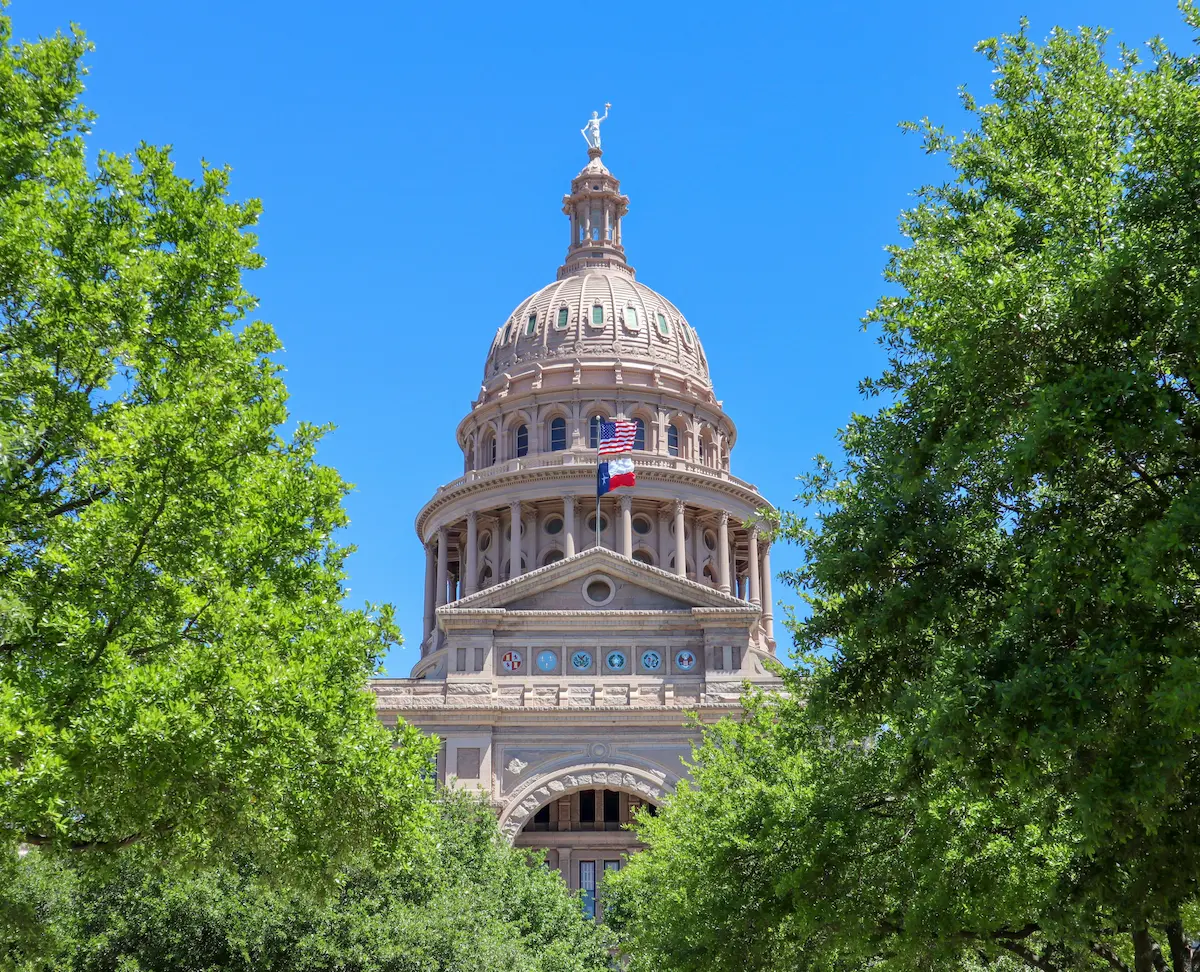
    The Western District of Texas hears roughly a third of American patent litigation. Until 2018 it heard almost none.

    The change traces to a single judge and a set of local rules. Judge Alan Albright, appointed in 2018 after a career as a patent litigator, adopted procedures designed to make his court attractive to plaintiffs: fast schedules, a reluctance to stay cases pending administrative review, and a standing order that made transfer motions difficult to win.

    Plaintiffs responded as anyone would. Filings in Waco went from a handful a year to more than eight hundred, and the composition shifted toward entities whose business is licensing rather than making.

    The Federal Circuit has intervened repeatedly, issuing an unusual number of mandamus orders directing transfer. The Judicial Conference adopted a random-assignment policy for patent cases in 2024. Filings dropped, then partially recovered as plaintiffs adjusted.

    What makes this more than a venue story is what it does to product decisions. Companies facing a credible threat in a fast forum settle earlier and design more conservatively around contested claims. Ask a general counsel at a mid-size hardware company what shaped their last roadmap and the honest answer frequently involves a docket in central Texas.

    None of this required legislation, rulemaking or a single appellate holding on the merits. It required one judge with a scheduling order and a plaintiffs’ bar paying attention.